


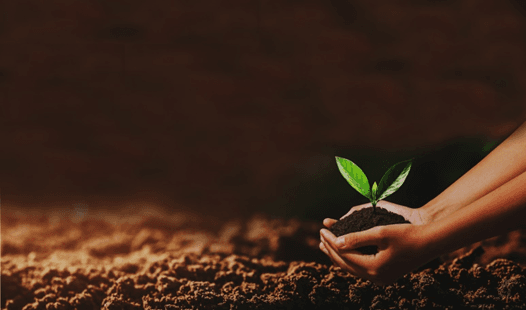
Soil is the foundation of life on Earth, yet it is frequently disregarded and undervalued. The rich and diversified world of soil biodiversity, which is vital to the planet’s health, is found under our feet. It is an ecosystem full of life. Soil biodiversity refers to the diverse range of species, ranging from tiny organisms to bigger critters such as earthworms that are involved in enhancing the soil structure, fertility, and the overall health. Understanding the importance of soil biodiversity and adopting ways to improve it is critical for sustainable agriculture, biodiversity conservation, and minimizing the effects of climate change.
Significance of Soil Biodiversity:
Soil holds a hidden treasure within, in this hidden world, tiny organisms like bacteria, fungi, and insects work tirelessly together, much like a team, to keep the soil healthy. These amazing soil superheroes do so much without us even noticing, they recycle nutrients break down organic matter, improve the soil physical properties and nurture plant life. Soil biodiversity maintains the soil’s structure, fertility, and ability to withstand challenges like pollution and climate change. Microorganisms such as bacteria, fungi, and protozoa play vital roles in breaking down organic matter, thereby releasing essential nutrients that plants need for growth. Earthworms and insects aerate the soil and enhance its structure, allowing better water infiltration and root penetration. Additionally, these fauna and flora play a role in carbon sequestration, making a significant impact on reducing greenhouse gases by storing carbon in the soil. Thus protecting this diverse ecosystem is not just about nurturing a healthy soil; it is a key to preserving our environment and securing our own future.
Challenges Threatening Soil Biodiversity:
Soil biodiversity faces a multitude of challenges that jeopardize its health and functionality. One significant threat comes from the intensification of agricultural practices, often leading to the excessive use of chemical fertilizers, pesticides, and excessive tilling. These practices disrupt the delicate balance of microorganisms, insects, and other life forms crucial for soil health. Urbanization and land degradation further exacerbate the problem, as they destroy natural habitats and reduce the soil’s capacity to support diverse life. Climate change, such as extreme weather events and altered precipitation patterns, add another layer of challenge, impacting soil structure and nutrient cycling. A step towards sustainability is the need of the hour, sustainable farming practices, land conservation, and environmental stewardship to safeguard the intricate web of life thriving within our soils.
How to Improve Soil Biodiversity?
Soil biodiversity improvement involves the overall wellbeing of the ecosystem and implementing environment friendly management practices. A few ways for improving soil biodiversity are:
- Adopting Sustainable Farming Practices: Approaches like crop rotation, cover cropping, and intercropping can enhance soil biodiversity. These methods reduce inputs, improve soil structure, and encourage the growth beneficial soil organisms.
- Minimal Soil Disturbance: Reduced tillage and soil disturbance helps preserve the habitats of soil organisms, maintaining their diversity.
- Organic Matter: Adding well decomposed organic matter like compost, manure, or crop residues to the soil improves the microbial activity which has ha positive impact on soil health.
- Avoiding indiscriminate use of Chemicals: Limiting the use of synthetic fertilizers and pesticides prevents the disruption of soil microbial communities, preserving their populations and diversity.
- Preserving the Natural Habitats: By preserving neighboring wetlands, meadows, or woods, hotspots for biodiversity can be established, which would help beneficial creatures move into agricultural regions.
- Regular assessment: monitoring soil health regularly and tracking the improvements is an essential step. It helps to adjust the management practices accordingly.
The above mentioned steps if followed will lead to the healthier soil, improved soil microbial population, better crop yield and a base for a sustainable future.
Conclusion:
Preserving and enhancing soil biodiversity is pivotal for protecting the health of our planet. We can assure sustainable food production, protect ecosystems, and lessen the effects of climate change by valuing the complex web of life under our feet and implementing practices that support soil biodiversity. We all have a part to play in protecting our planet’s greatest asset, our soil, and ensuring future generations have a stronger, better future.